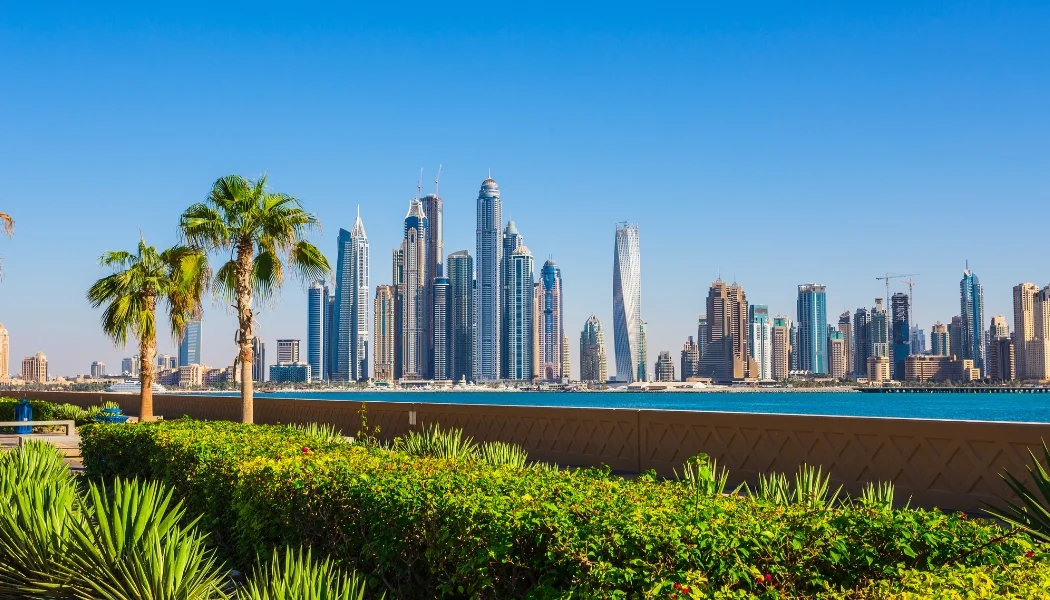
The United Arab Emirates’ hospitality market is undergoing a structural evolution, pivoting toward long-stay and extended-stay models to capture a new wave of long-term residents. What began as a tactical buffer during periods of softer transient tourism has solidified into a permanent, highly strategic pillar of the region's real estate and hospitality landscape. Driven by an influx of remote workers, relocating professionals, and local residents seeking relief from surging traditional real estate rents, hotels are successfully stabilizing year-round occupancy by fundamentally altering their design and operational strategies.
What is Driving the Shift?
The momentum behind the extended-stay model is fueled by a combination of macroeconomic factors and shifting consumer behavior:
Real Estate Premium Push: Skyrocketing rental prices across premium UAE residential areas have forced residents to look for alternative housing models. Hotel long-stays offer a "living-ready" solution without the steep upfront costs of traditional annual leases (such as multi-cheque payments, agency fees, and hefty security deposits).
The "Bleisure" and Nomad Wave: The lines between business and leisure travel have permanently blurred. Freelancers, digital nomads, and project-based corporate consultants are moving to the UAE for months at a time, prioritizing flexibility over rigid, long-term commitments.
Operational All-Inclusive Convenience: Long-stay hotel units eliminate the administrative friction of setting up utilities (water, electricity, internet) and provide built-in perks like regular housekeeping, gym access, and dining discounts.
How Hoteliers Are Adapting
Major hospitality brands and independent operators are actively redesigning both their spaces and business strategies to capture this sticky demographic:
1. Architectural and Inventory Modifications
Traditional hotel rooms are being swapped out or retrofitted in favor of serviced apartments featuring fully functional kitchens, dedicated workspaces, and in-unit laundry. The goal is to deliver the physical comfort of a home alongside the frictionless service of a luxury hotel.
2. Aggressive Subscription Pricing
Properties are rolling out monthly and quarterly competitive packages. For example, properties like the Marriott Resort Palm Jumeirah and voco Bonnington Dubai have institutionalized specific monthly-stay concepts aimed directly at professionals and relocating families.
3. Community-Centric Spaces
Recognizing that long-stay guests require a "sense of belonging," hotels are investing heavily in lifestyle-driven common areas. Co-working lounges, wellness facilities, and curated social events are being integrated to prevent the isolation often felt by solo remote workers.
A Win-Win Strategy for the Market
For guests, the model provides unmatched financial flexibility and convenience. For hoteliers, it provides a vital revenue stabilizer. Long-stay contracts provide predictable, baseline cash flows that heavily mitigate the risks of traditional seasonal drops and unexpected shifts in global tourism.
As the UAE continues to relax visa pathways and position itself as a global hybrid-work capital, the integration of hospitality and residential living is no longer a temporary trend, it is the new baseline for the industry.